Azərbaycanda Mobil Kazino İnterfeysi Sürət Etibar və Qalıcılıq
The mobile gaming landscape in Azerbaijan is evolving rapidly, driven by increasing smartphone penetration and user demand for seamless digital experiences. For players, the user experience (UX) of a mobile casino platform is a critical factor that goes beyond game selection, directly influencing trust, engagement, and long-term retention. This analysis examines current UX trends, focusing on the pivotal elements of speed and trust signals, while highlighting common design mistakes and safer decision-making frameworks for the Azerbaijani market. A thoughtful approach to UX, avoiding manipulative dark patterns, is essential for sustainable platforms, where even a well-known operator like pinco casino must prioritize user-centric design to succeed. We explore the technical and psychological layers that define a superior mobile experience in this specific regional context.
The Foundation of Mobile UX – Loading Speed and Performance
In Azerbaijan, where mobile network speeds can vary significantly between urban centers and rural areas, the performance of a casino platform is not merely a convenience but a fundamental requirement. Users expect near-instantaneous loading times; delays of even a few seconds can lead to frustration, session abandonment, and a permanent loss of trust. Performance optimization must be a core design principle, not an afterthought. This involves efficient coding, optimized asset delivery, and leveraging modern web technologies like Progressive Web App (PWA) features to create app-like experiences directly in the browser, reducing dependency on app store downloads and updates.
Technical Mistakes That Hinder Speed
Common technical oversights severely degrade the user experience. One major error is the over-reliance on heavy, unoptimized graphics and animations that serve no functional purpose. While visual appeal is important, it must not come at the cost of performance. Another frequent mistake is the improper implementation of third-party scripts for analytics, tracking, or advertising, which can block page rendering. Furthermore, platforms often fail to implement lazy loading for images and game thumbnails, forcing users to download all content upfront, which is particularly detrimental on slower 3G/4G connections common in some parts of Azerbaijan.
- Uncompressed image and video assets that drastically increase page weight
- Lack of server-side rendering or caching strategies for dynamic content
- Ignoring Core Web Vitals metrics like Largest Contentful Paint (LCP) and First Input Delay (FID)
- Building a single-page application (SPA) without considering initial load time
- Not utilizing Content Delivery Networks (CDNs) to serve assets from locations closer to users
- Failing to minify and bundle CSS and JavaScript files
- Overlooking the impact of web font loading on perceived performance
Building Trust Through Transparent UX Design
Trust is the cornerstone of any online activity involving financial transactions, especially in Azerbaijan’s regulated digital environment. Users are increasingly savvy and skeptical; they look for clear, consistent signals that a platform is legitimate, secure, and fair. UX design is the primary medium for communicating this trust. It must go beyond simply displaying a license logo. Every interaction, from registration to cashier processes, must reinforce security, transparency, and user control. A confusing or opaque interface immediately raises red flags and drives users toward more trustworthy competitors.
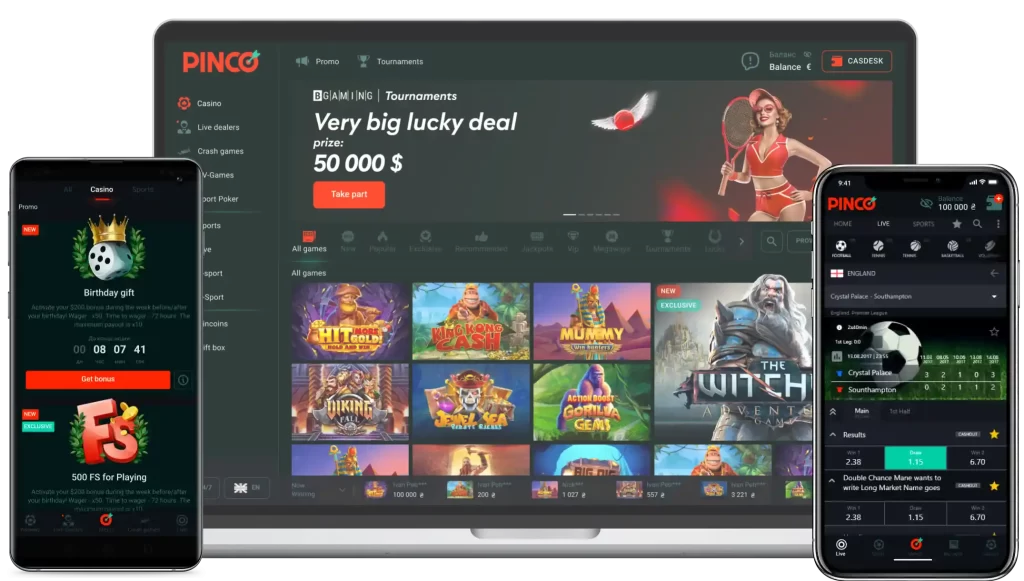
Essential Trust Signals for Azerbaijani Users
Effective trust signals are integrated seamlessly into the user journey. They provide reassurance without being intrusive. For the local audience, clear information about transaction methods in Azerbaijani Manat (AZN), with no hidden currency conversion fees, is a basic expectation. Transparency in bonus terms, presented in simple language before a user commits, is another critical signal. Furthermore, the visible presence of responsible gaming tools-such as deposit limits, session timers, and self-exclusion options-demonstrates a platform’s commitment to user well-being, which is a powerful trust-builder.
| Trust Signal Category | UX Implementation | Common Mistake to Avoid |
|---|---|---|
| Financial Security | Displaying SSL certificate seals, using familiar local payment gateways (e.g., local bank cards), clear transaction history | Asking for excessive personal data upfront before establishing value |
| Regulatory Compliance | Clearly visible licensing information (e.g., “Licensed by …”), link to official regulator website | Displaying outdated or irrelevant licenses not recognized in the region |
| Game Fairness | Providing access to Return to Player (RTP) percentages for each game, explaining Random Number Generator (RNG) certification | Burying RTP information in hard-to-find help sections or legal pages |
| Data Privacy | Concise, accessible privacy policy, clear cookie consent management with granular options | Forcing consent to data sharing as a condition for using the site |
| Customer Support | Multiple, easily accessible contact channels (live chat, phone, email), with indicated support hours and response times | Hiding contact information behind many clicks or offering only an email form |
| User Control | Easy-to-find account settings, straightforward process for closing account or deleting data | Making it deliberately difficult to reduce limits or pause an account |
Dark Patterns and Ethical Retention Strategies
A significant trend in UX is the move away from deceptive “dark patterns”-interface designs that trick users into actions they did not intend. In the context of mobile casinos, these can be particularly harmful. Ethical retention focuses on creating genuine value and positive reinforcement rather than exploitation. For the Azerbaijani user, cultural nuances around hospitality and respect should inform design choices; aggressive or manipulative tactics are likely to backfire and damage a brand’s reputation irreparably. Sustainable retention is built on reliability, fair play, and rewarding user loyalty transparently. Əsas anlayışlar və terminlər üçün problem gambling and prevention mənbəsini yoxlayın.
Identifying and Avoiding Common Dark Patterns
Dark patterns often manifest in subtle ways. A classic example is the “roach motel,” where signing up is extremely easy but withdrawing funds or closing an account is made deliberately complicated with hidden steps and confusing menus. “Confirmshaming” uses emotionally manipulative language to guilt users into opting into notifications or bonuses. “Hidden costs” or surprising conversion rates during deposit are other critical issues. Platforms must conduct rigorous ethical audits of their user flows to eliminate these patterns, ensuring all choices are informed, clear, and reversible. Qısa və neytral istinad üçün BBC Sport mənbəsinə baxın.
- Disguised ads that look like native game icons or navigation buttons
- Countdown timers on bonuses that are fake or reset arbitrarily
- Pre-selected checkboxes for subscribing to marketing communications or accepting bonus terms
- Using urgent language like “Only 1 left!” or “Other players are winning!” to create false scarcity
- Making the “Decline Bonus” button visually subtle while the “Accept” button is large and colorful
- Requiring a phone call or lengthy email process to verify account closure
- Sending excessive push notifications with misleading “win” alerts to lure users back
A Safer Decision Framework for UX Design
Developing a user experience that prioritizes long-term engagement in Azerbaijan requires a structured framework. This framework should balance business objectives with user safety and satisfaction. It starts with a deep understanding of the local user persona-their technological comfort, payment preferences, and cultural expectations. The design process must then be iterative, incorporating continuous user testing and feedback from the target audience to identify pain points before they become systemic issues. The goal is to create a frictionless yet responsible environment where users feel in control.

Key Principles for the Azerbaijani Market
The framework is built on several non-negotiable principles. First is clarity: all terms, costs, and rules must be communicated in plain Azerbaijani language. Second is control: users should have easy access to tools that manage their spending and time. Third is consistency: the design language and interaction patterns should be uniform across all pages to reduce cognitive load. Fourth is accessibility: the platform should be usable for people with different abilities and on various device types common in the region. Implementing these principles requires a cross-functional commitment from design, development, and compliance teams.
- Conduct localized user research to understand specific needs and pain points beyond generic trends.
- Map the entire user journey, identifying every potential moment of friction or confusion.
- Implement robust responsible gaming tools as a default, integrated part of the UX, not a hidden section.
- Prioritize transparency in all financial dealings, showing exact amounts in AZN at every step.
- Design for offline or low-connectivity states, providing clear feedback and saving user progress.
- Establish clear metrics for success beyond raw revenue, such as user satisfaction scores and support ticket reduction.
- Create an ethical design charter that explicitly bans dark patterns and mandates regular audits.
- Foster a culture where UX designers and product managers are empowered to advocate for the user’s best interest.
The Future of Mobile Casino UX – Personalization and Responsibility
Looking ahead, the trend in Azerbaijan will shift towards hyper-personalization powered by data analytics, but this must be handled with extreme care regarding privacy. Personalized game recommendations or bonus offers based on play style can enhance the experience if users understand and consent to the data usage. Simultaneously, regulatory expectations around player protection will likely increase, making “safety by design” a competitive advantage. The most successful platforms will be those that can leverage technology to create fast, intuitive, and deeply trustworthy experiences that respect the user’s autonomy and well-being, setting a new standard for the industry in the region.